





Dating advice
All articles
Dating apps
Relationship
Tinder
November 6, 2024
How to Rizz a Girl Up: 6 Expert Tips for Instant Charm
Read more 

 Blog
Blog
Choosing between Tinder and Hinge often feels confusing, and it’s almost draining once effort keeps piling up with little return.
Many men download one app, then the other, hoping someone shows up quickly, yet the experience usually comes together after weeks of swiping and stalled chats.
The question sounds simple: Which app is better? Yet the real answer depends on fit, expectations, and how each platform quietly shapes behavior.
Both apps attract real people with mixed intentions, and both can work, even though neither fixes weak presentation on its own. In fact, the app matters a bit, yet how you use it tends to matter more over time.
This comparison looks at Tinder and Hinge through common male experiences, so you can decide where your effort fits best and where small changes could finally shift momentum.
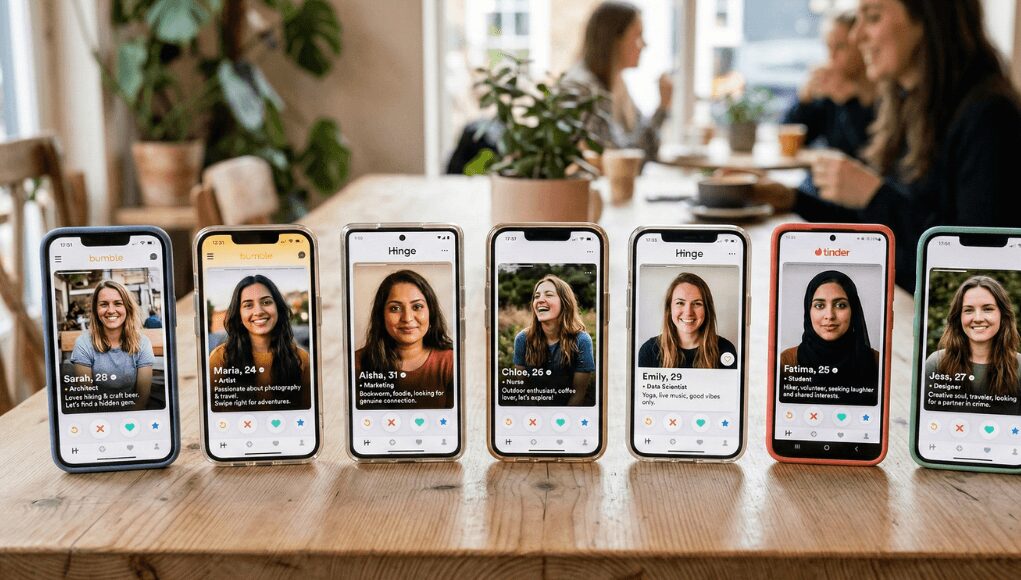
The women you encounter on each app differ in fairly consistent ways, even though overlap clearly exists. Tinder usually draws a broader age range and a wider mix of intentions, which can feel exciting or unfocused depending on your mindset. Hinge skews slightly older and more intentional in some respects, with users who often invest more time into profiles.
Tinder
Hinge
Neither pool is better by default. Your tolerance for ambiguity usually decides which one feels less draining.
Matching mechanics shape behavior more than most men expect, and that influence is easy to overlook.
Tinder relies on fast swiping, which rewards strong visuals and quick judgments. This pace can feel efficient, yet it often nudges conversations into shallow openings that lose steam.
Hinge slows things down by encouraging interaction with prompts or specific photos, which creates context before a match even forms.
For many men, that structure reduces guesswork and shifts focus from volume to intent. The result tends to feel more manageable, especially if decision fatigue has already set in.
Profile setup feels noticeably different on Tinder and Hinge, and that difference shapes outcomes early. Tinder profiles come together quickly, almost too quickly, which means first impressions lean heavily on photos. Hinge takes more time, yet that friction gives personality space to show through prompts and answers.
Many men feel overlooked not from lack of effort, but from how that effort gets presented. First impressions form in seconds on both apps, yet Hinge gives more opportunities to recover from average photos through words and context.
Photos carry most of the weight on Tinder, and it’s almost unforgiving when images feel unclear or low effort. One strong photo helps, yet several weak ones cancel it out fast. Hinge still prioritizes visuals, though prompts soften how photos get judged by adding personality cues.
Common mistakes show up repeatedly, like dark selfies, group shots that confuse focus, or stiff poses. Clear solo photos, relaxed expressions, and one image showing everyday life tend to perform better, pretty consistently, across both platforms.

Starting conversations feels very different on each app, and it’s almost stressful for men who tend to overthink first messages. Tinder often drops matches into blank chat screens, which can stall momentum immediately. Hinge reduces friction by letting you respond to prompts or photos, giving a natural starting point.
This structure feels reassuring for men who prefer context over improvisation. Conversations usually flow more smoothly when the app supplies direction, even though confidence still builds gradually.
Intentions appear clearer on Hinge, and it’s almost comforting to see labels attached to profiles. Many men assume this guarantees alignment, yet real behavior often tells a different story once conversations start. Tinder feels looser with labels, even though plenty of users still want meaningful outcomes.
Intentions shift based on timing, chemistry, and emotional availability, not app design alone. Clear communication early usually matters more than profile tags if you want fewer mismatches and less second-guessing.
Ghosting feels discouraging on Tinder, and it’s almost unavoidable once attention gets divided across many chats. Matches may respond quickly, then disappear as interest or timing shifts. Hinge often shows steadier reply patterns, yet silence still happens there.
Algorithms rotate visibility, and users juggle multiple conversations, so gaps rarely reflect personal failure. Many men internalize these pauses, yet response rates tend to improve with clearer profiles and calmer follow-ups. Viewing ghosting as common behavior, rather than rejection, usually protects confidence and momentum.
Success feels different on Tinder, and it’s almost misleading to judge progress by match count alone. Many men collect matches quickly, then struggle to turn chats into plans. Hinge often produces fewer matches, yet those conversations convert to dates more often.
Dates happen when profiles signal intent clearly and messages guide things forward, rather than circling endlessly. Consistency matters more than bursts of effort, since steady engagement builds familiarity and trust. Over time, small gains in clarity tend to lift conversion on both apps.
Personality fit decides satisfaction more than features, and it’s almost overlooked. Men who enjoy fast feedback and casual exploration often feel comfortable on Tinder’s pace. More reflective or introverted men tend to prefer Hinge’s structure, since prompts lower pressure.
Men returning to dating after long breaks may appreciate clearer signals and slower rhythms in some respects. Knowing whether you thrive on spontaneity or direction reduces frustration before it builds.
Standing out feels harder on Tinder, and it’s almost tied to scale rather than effort alone. Large user pools cause average profiles to blur together quickly. Hinge offers better visibility for effort, since prompts give personality more surface area.
Competition exists on both apps, yet differentiation feels more achievable when details matter. Men who focus on clarity, relaxed visuals, and intent often see better traction, regardless of platform size. Standing out usually comes from precision, not volume.
Frustration builds on both apps, and it’s almost reassuring to know these patterns are widely shared. Tinder often creates emotional whiplash, with quick matches followed by sudden drop-offs. Hinge can feel slower and more demanding, which sometimes turns effort into pressure.
Tinder frustrations
Hinge frustrations
These issues wear confidence down, yet they reflect system dynamics more than personal shortcomings.
The better app depends on what you want right now, and it’s almost clearer once goals feel honest. Tinder suits men exploring options or easing back into dating without heavy expectations. Hinge fits men seeking steadier conversations and clearer signals in some respects.
Neither option locks you into one ideal outcome, yet a mismatch between you and the app naturally creates burnout pretty fast. Choosing based on goals keeps effort focused, which usually matters more than platform loyalty.
No dating app fixes weak presentation, even though switching platforms can feel tempting during dry spells. Tinder and Hinge amplify different strengths and expose different gaps, yet both respond to clarity, consistency, and realistic expectations. Instead of app-hopping, many men benefit from refining how they show up and choosing the environment that fits them best.
If you want guidance grounded in your style and goals before you get buried in which dating app you choose, then our Flirtist dating quiz offers a clear way to figure out what works for you, no matter which app you open next.


 Take this 2-min test
Optimize your profile
Get better dates
Take this 2-min test
Optimize your profile
Get better dates 
Join 304,617+ happy users